Nigerian Social Commerce Is Booming. Merchants Are Still Losing Money at the Door
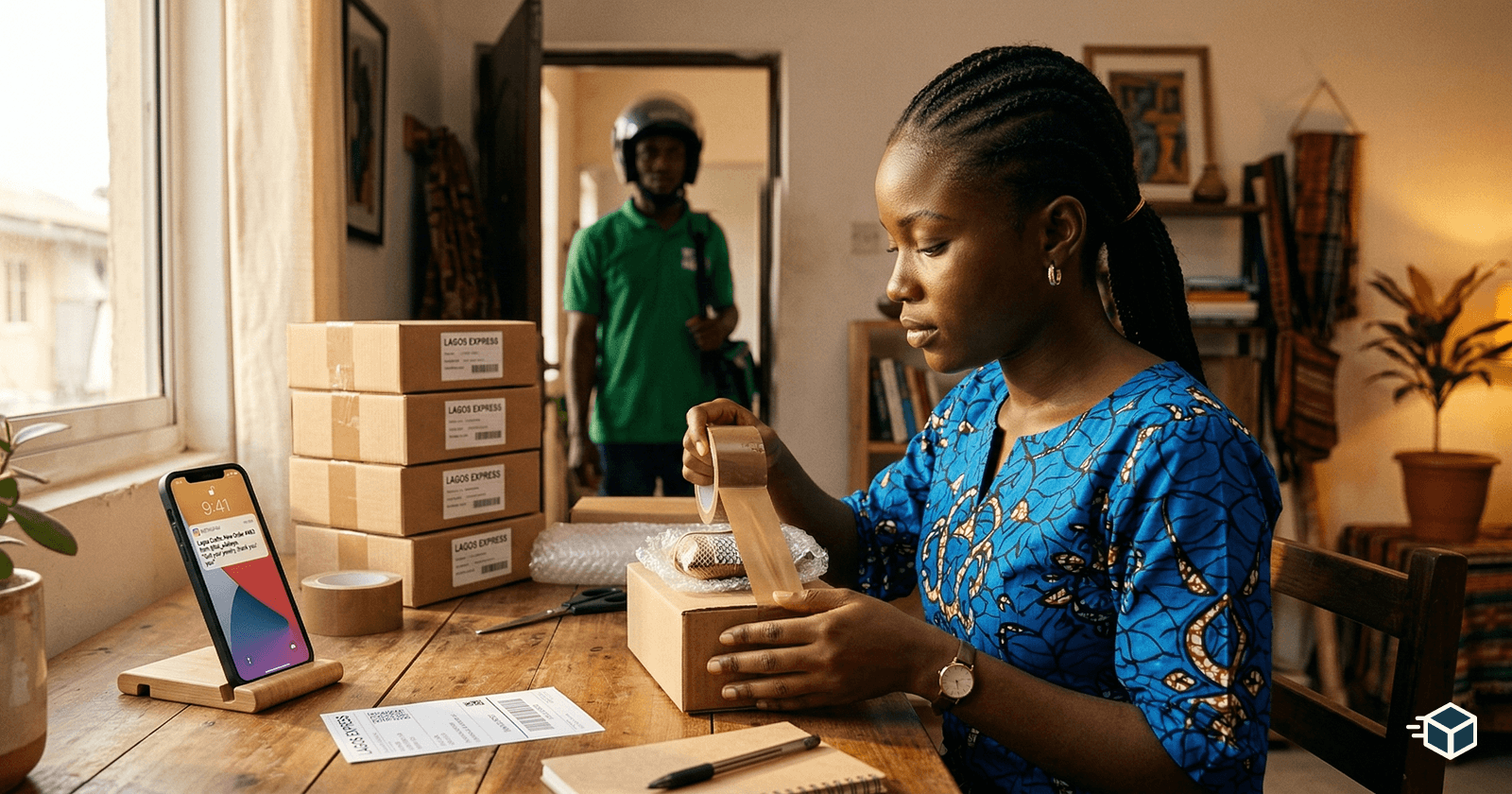
Every day, thousands of Nigerian sellers wake up, post a product on Instagram or WhatsApp, and start taking orders before breakfast. No storefront. No Jumia listing. No middleman taking a cut. Just a phone, a product, and a direct line to buyers.
This is Nigerian social commerce. And it works remarkably well.
The buyers are there. A generation of Nigerian consumers has grown comfortable purchasing from individuals they found on social media, paying on delivery because that is the trust mechanism that makes the whole thing possible. The sellers are there too. Small business owners, importers, resellers, and creators who have figured out that a loyal Instagram following converts better than any marketplace algorithm.
By almost every measure, the channel is thriving. Billions of naira change hands through it every month. Some of Nigeria's most successful independent merchants have never listed a single product on a traditional e-commerce platform.
So why are so many of them still losing money?
The Problem Is Not the Sale. It Is Everything After.
Ask any merchant who sells through social channels and they will tell you the same thing. Getting the order is not the hard part anymore. What happens after the order is placed is where the business quietly bleeds.
Here is the sequence most merchants know too well.
An order comes in. The merchant packs the item, hands it to a rider, and waits. The rider delivers, or says they did. Payment was collected, or so the merchant is told. Remittance arrives days later, sometimes weeks, sometimes in a number that does not quite match what was owed. Somewhere in that gap between handoff and payment, money went somewhere it was not supposed to go.
This is not an occasional bad experience. For merchants operating at any kind of volume, it is the cost of doing business. It is baked into the margins, accepted as normal, absorbed silently because there is no obvious alternative.
It should not be normal.
Three Places the Money Disappears
The failure is not random. It follows a pattern, and it happens in one of three places.
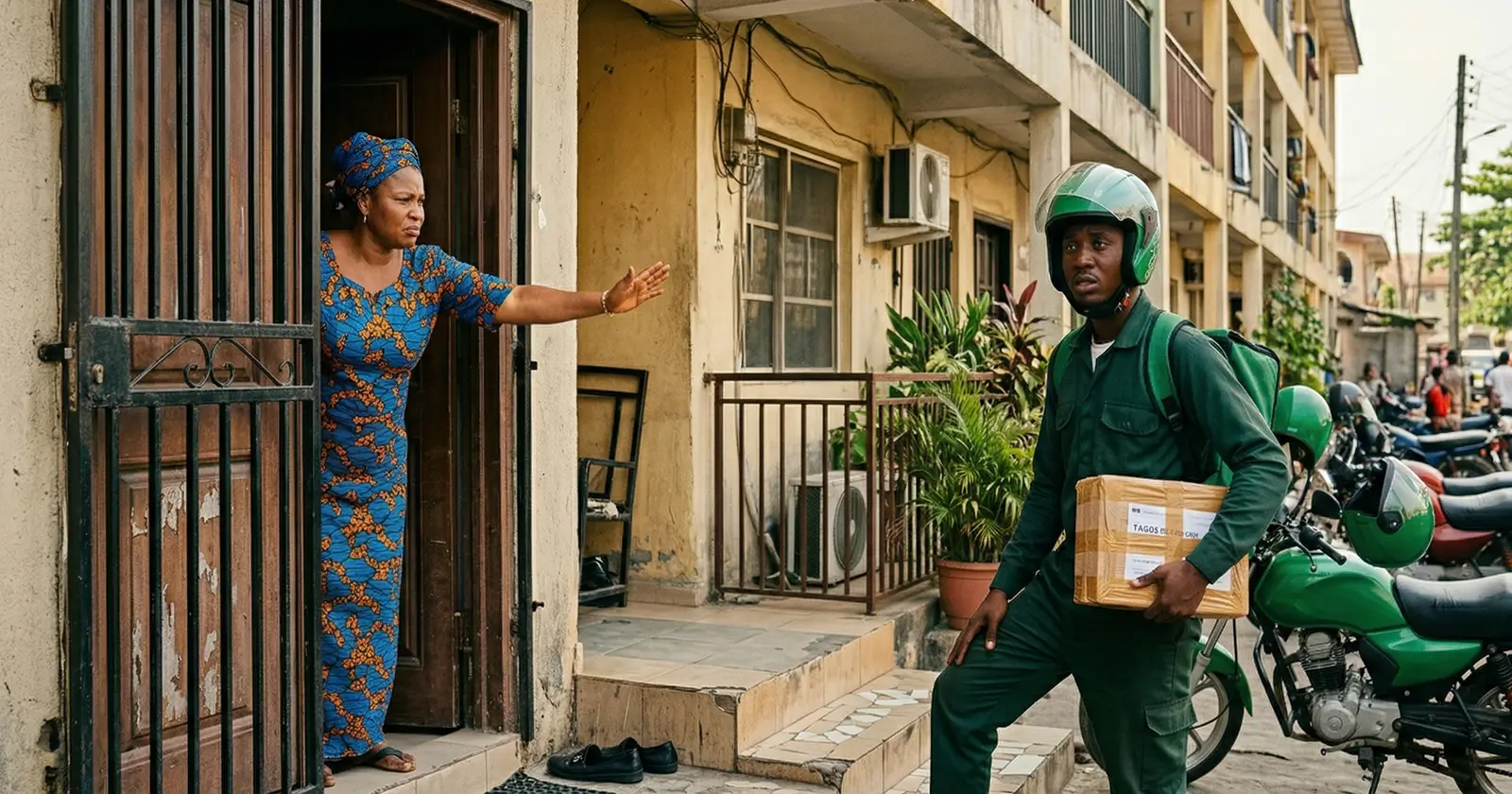
At the door. Nigerian buyers place orders emotionally. By the time a rider arrives, especially if delivery took longer than expected, the excitement has faded. The buyer finds a reason to reject the item. The merchant pays delivery costs twice: once to send, once to return. The product comes back unsold and the marketing spend that generated the order is gone. This cycle, repeated across dozens of orders a week, is a serious cash drain.
At the handoff. When a rider collects cash from a buyer, that money passes through human hands before it ever reaches the merchant. Most riders are honest. But the system creates exposure. Cash held by individuals with no formal accountability mechanism, no real-time visibility for the merchant, and no enforcement structure beyond trust. When shortfalls happen, merchants rarely have any recourse.
At remittance. Even when delivery goes perfectly and cash is collected correctly, merchants often do not know when they will be paid or how much. Remittance timelines vary. Reconciliation is manual. Merchants run their businesses on uncertain cash flows, unable to restock, unable to plan, waiting on money they have technically already earned.
None of these are delivery problems. Faster bikes do not fix them. A better route does not fix them. They are deeper than that.
The System Was Built for a Different Kind of Seller
The honest reason these problems persist is that the logistics most social commerce merchants rely on was not designed for them.
Traditional courier companies were built for marketplace e-commerce. Standardised products, corporate merchant accounts, high volume, predictable flows. The mechanisms they use, such as delayed batch remittances and manual reconciliation, made sense in that world.
Social commerce is different. Orders are smaller and more frequent. Buyers are less predictable. Cash on delivery is not an edge case; it is the primary payment method. The relationship between merchant and customer is personal, and a single bad delivery experience carries reputational weight that does not exist on an anonymous marketplace.
Plugging social commerce orders into a system built for something else is precisely why these failures keep happening in the same predictable ways. It is not bad luck. It is a mismatch.
What Doing It Right Actually Looks Like
The merchants who have managed to get on top of these problems have generally done it through sheer operational force. Hiring dedicated operations staff. Building personal relationships with specific riders. Manually reconciling every remittance. Obsessively following up on every single order.
That is not a scalable answer. It is a tax on the merchant's time that grows heavier with every new order they take.
The right answer is a fulfillment operation designed around how social commerce in Nigeria actually works. One where cash collected by a rider is tracked in real time, not accounted for at the end of the month. Where remittance lands in the merchant's account the same day delivery is confirmed. Where the merchant has full visibility into every order in the field, not just the ones that went smoothly.
Some operators are building toward this. Most have not recognised it as something worth designing for specifically.
That is beginning to change.
The Merchants Are Ready
Nigerian social commerce sellers are not waiting for permission to grow. They are already growing, already serving customers, already building real businesses with genuine revenue. What they are waiting for, whether they have named it this way or not, is for the operational layer underneath their business to finally match the sales layer on top of it.
The gap between how well Nigerian merchants sell and how poorly they are served after the sale is one of the most consequential unsolved problems in Nigerian commerce today.
The sellers did their part. The buyers did their part. The last piece is the operation that makes the transaction actually complete: reliably, transparently, and on the same day.
That piece is being built.
Mora is a fulfillment platform designed specifically for Nigerian social commerce merchants. Same-day delivery. Same-day remittance. Real-time cash accountability.